Troubleshooting
Gamma model fails with BMR = 0.05 extra risk
Occassionally, when modeling dichotomous data with a shallow dose-response and a BMR = 0.05 extra risk, the Gamma model will fail to execute. In such cases, BMDS will not properly execute and no results will be returned. This is due to a failure in the model optimization routines in the C++ gsl library.
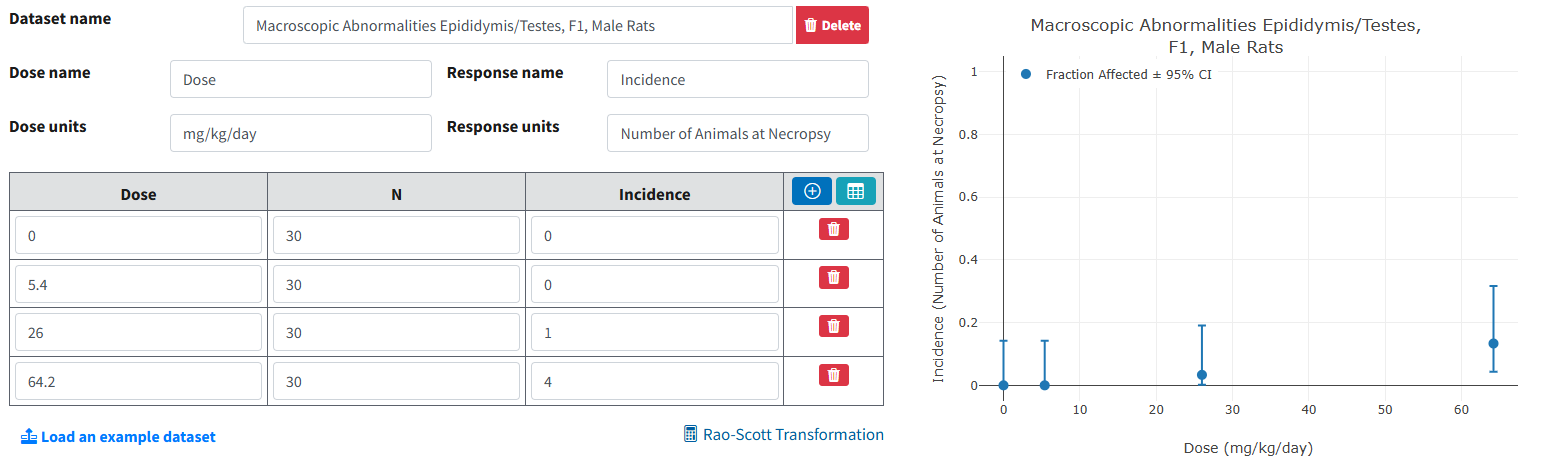
Figure 106. Example of a shallow dose-response relationship.
When users observe that BMDS fails to complete and return results when modeling shallow dose-response relationships with a BMR = 0.05, they should do the following:
First, unselect the Gamma model and re-run the analysis. In most cases, BMDS will return results.
In this example, BMDS returns results and automatically recommends the Hill model as the best model based on lowest BMDL
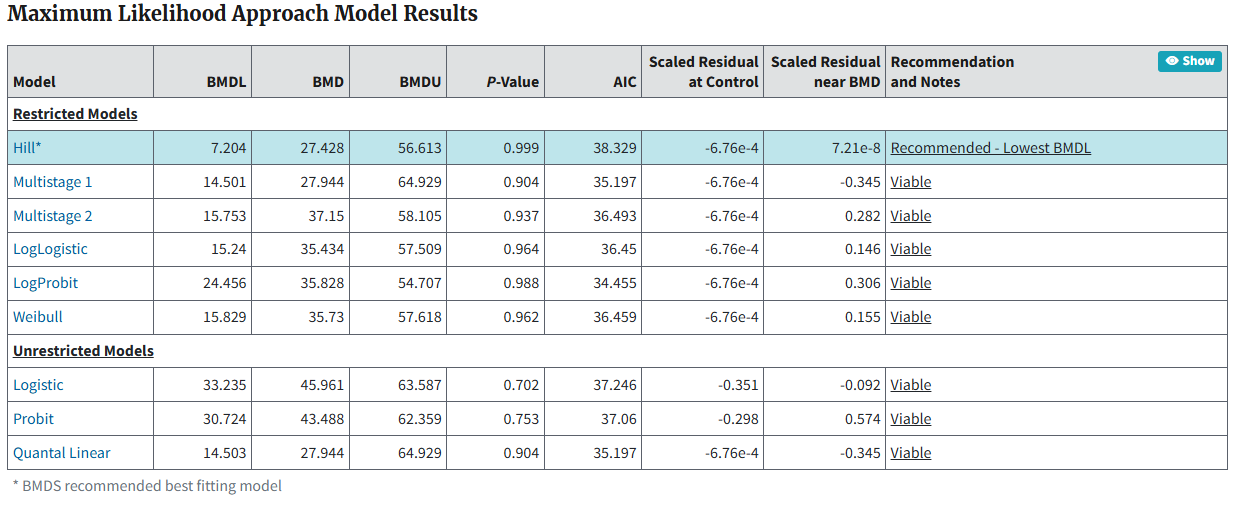
Figure 107. Modeling results when Gamma model is excluded
Re-run the analysis including the Gamma model, but now using a BMR = 0.05000001. This small offset to the BMR allows the model optimization for the Gamma model to complete.
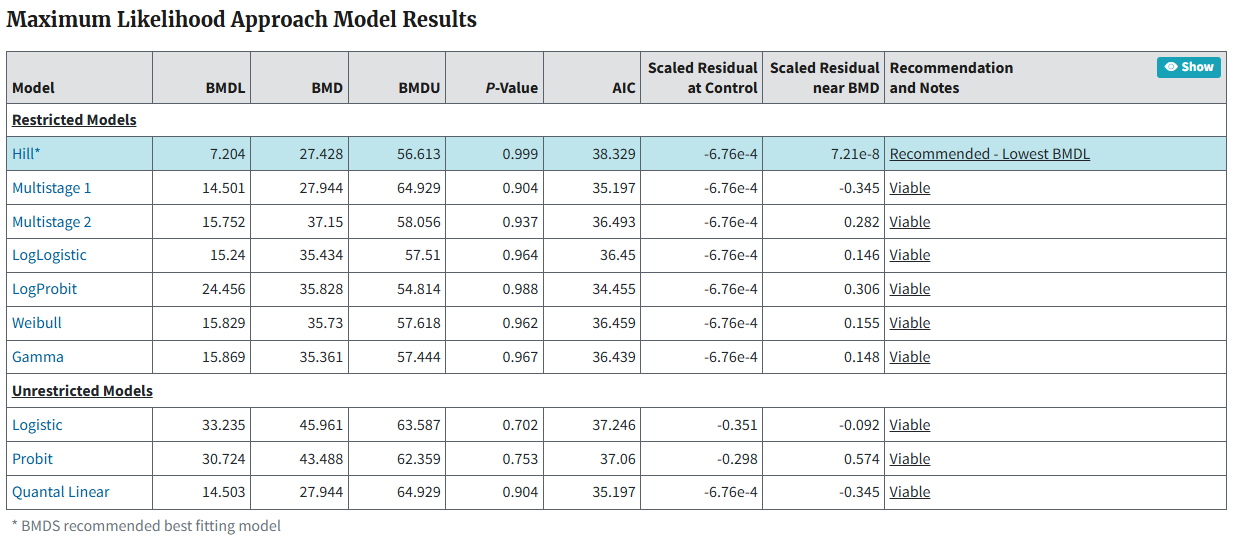
Figure 108. Modeling results when Gamma model is included and BMR = 0.05000001 is used
The results between the two analyses are practically identical (i.e., numerical modeling results identical to at least the third decimal place). If users decide using the results from Step 2 is appropriate, they should make a note in their modeling results that a BMR = 0.05000001 was used and why.